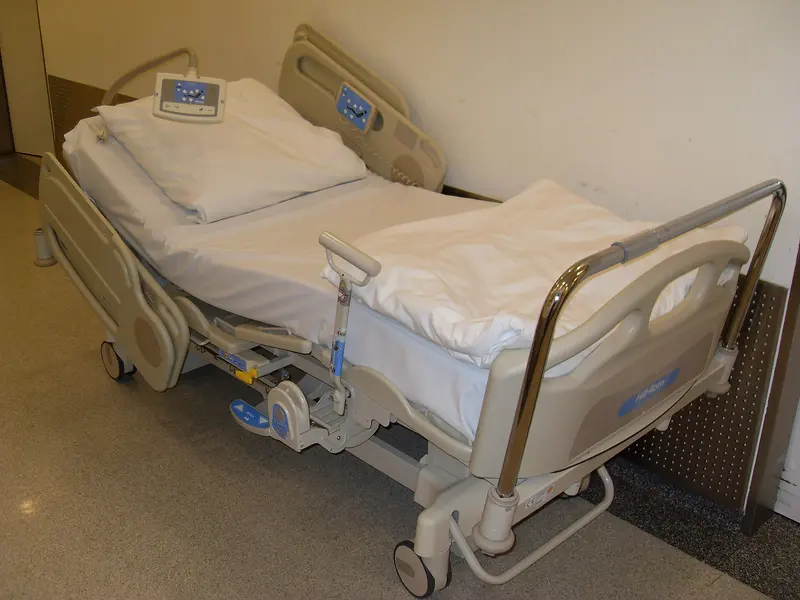
Most beds and mattresses carry VAT at the standard rate. There is an exception for people who are disabled or have a long-term illness: some products designed for them can be bought VAT-free (zero-rated). The rules are narrower than many people expect, so it is worth knowing them before you shop.
Who qualifies
GOV.UK says you count as disabled or having a long-term illness for VAT purposes if you:
- have a physical or mental impairment that affects your ability to carry out everyday activities;
- have a chronic condition, such as diabetes; or
- are terminally ill.
You don’t qualify if you are elderly but not disabled, or only temporarily disabled — HMRC’s notice gives a broken limb as an example of a condition that isn’t covered. Both the person and the product have to qualify.
The relief is for products for your own personal or domestic use. HMRC says it doesn’t cover supplies to an in-patient or resident of a hospital or nursing home, or goods used for business.
Which beds count
GOV.UK lists adjustable beds among the products that usually qualify. HMRC’s VAT Notice 701/7 sets out what that means:
- An eligible adjustable bed is an electrically or mechanically adjustable bed designed for people with disabilities. It must clearly stand out as something specialised, with design features that distinguish it from a standard bed — the notice gives cot sides and height adjustment as examples.
- A bed that simply adjusts (for example, the head end rises) without those specialised features does not qualify. Many adjustable beds sold for comfort rather than disability — see bed bases explained — won’t meet that test.
- HMRC also lists “orthopaedic” beds as general-purpose goods that can’t be zero-rated, whatever the marketing says.
And mattresses?
HMRC says a mattress qualifies only if it is supplied as part of a qualifying bed, or is designed solely for use by a disabled person. An ordinary mattress — including one sold as “orthopaedic” or “for bad backs” — doesn’t qualify just because a disabled person will sleep on it.
GOV.UK adds that the relief can also cover installation, repairs and maintenance, and spare parts or accessories for a qualifying product.
How to buy VAT-free
- Ask the seller whether the bed qualifies; GOV.UK says your supplier can confirm.
- Confirm in writing that you meet the conditions. The supplier may give you a form; GOV.UK publishes a model eligibility declaration. HMRC says the declaration should be separate from, or clearly distinguishable from, the order form — signing an order isn’t the same as declaring eligibility.
- Be accurate. HMRC tells sellers not to zero-rate a sale if they believe a declaration is inaccurate or untrue.
A charity can also buy qualifying goods VAT-free, but only where it makes them available to a disabled person, HMRC says.
Help from the council or the NHS
Before buying, it is worth asking what help is available:
- A needs assessment. The NHS says to ask social services at your local council for a care needs assessment, and that the assessment is free.
- Free equipment. The NHS says equipment and small adaptations to your home will be provided free if you are assessed as needing them, and that you may be entitled to free adaptations and equipment that cost less than £1,000 each — this isn’t means-tested. Items it lists for getting out of bed include a grab rail that attaches to the bed, leg lifters and things to raise your bed.
- Try first. The NHS suggests you might hire equipment to see if it is right for you before buying.
- GOV.UK’s service for applying to the council for home equipment covers England and Wales; elsewhere, contact your local council.
Before you choose a bed
- Ask an occupational therapist or your GP what would help — our bed bases guide suggests the same before buying an adjustable bed for a medical reason.
- Adjustable beds need a mattress made for them; as our bed bases guide explains, the NBF’s advice is ideally to buy the base and mattress together.
- Your consumer rights apply to a VAT-free bed in the usual way — see returning a mattress: faults and guarantees.