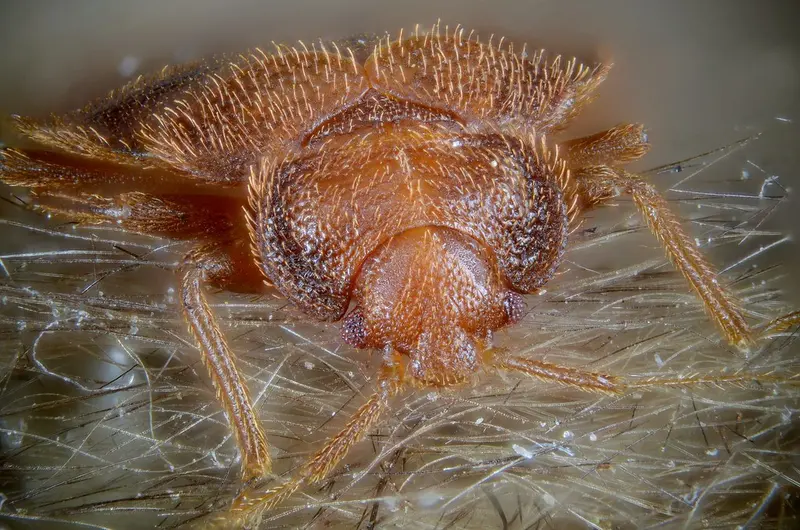
Bed bugs aren't a sign of a dirty home. The NHS says they can be found in clean and dirty homes alike, and they travel easily in luggage, clothing and second-hand furniture. With people travelling over Christmas and buying and selling furniture in the new year, it's worth knowing what to look for.
This article summarises the NHS page on bedbugs. It is general information; for bites that are getting worse, see a pharmacist or GP as described below.
What bed bugs look like
The NHS describes bed bugs as dark yellow, red or brown, with adults about 5mm long — small, but visible. They hide in the seams and joints of bed frames and mattresses, and also in clothing, furniture, behind pictures and under loose wallpaper.
The signs
The NHS lists:
- bites, often on skin that's exposed while you sleep — the face, neck and arms — sometimes in a line or a group
- spots of blood on your bedding
- small brown spots (bed bug droppings) on bedding or furniture
Some people have a strong reaction to bites, with severe itching and painful swelling. The NHS notes that a serious allergic reaction (anaphylaxis) is possible but rare.
When you change the bed, it's worth looking along the mattress seams and piping, the corners of the base and the joints of the bed frame with a torch.
Treating bites
According to the NHS, bites usually clear up on their own within about a week. Meanwhile:
- put something cool, such as a clean damp cloth, on the bites to ease itching and swelling
- keep the area clean and try not to scratch, to reduce the chance of infection
A pharmacist can advise about a mild steroid cream such as hydrocortisone, and antihistamines if the itching stops you sleeping. The NHS says children under 10 and pregnant women should check with a doctor first. See a GP if the bites are still very painful, swollen or itchy after a pharmacist's treatment, or if pain or swelling spreads — that can be a sign of infection.
Getting rid of them
The NHS is frank that bed bugs are very difficult to get rid of yourself: they're hard to find and may be resistant to some insecticides. Its advice is to contact your local council or a pest control service. While you wait, it suggests:
- washing affected bedding and clothing on a hot wash (60°C) and tumble drying on a hot setting for at least 30 minutes
- putting items that can't be washed in a sealed plastic bag in the freezer for 2 to 3 weeks
- cleaning and vacuuming regularly, which helps you spot them early
- not leaving clutter around the bed
Before you put a duvet or pillow on a hot wash, check its care label — not everything can take 60°C. Our article on dust mites and washing bedding has more on wash temperatures.
If you rent, tell your landlord or letting agent as soon as you spot signs.
Second-hand beds and mattresses
The NHS's list of things not to do includes bringing second-hand furniture indoors without checking it carefully first, and bringing luggage or clothing home from somewhere bed bugs were known to be without checking it thoroughly.
A second-hand mattress raises other questions too:
- Fire safety. Our guide to mattress fire safety labels explains the labels to look for and why they matter for second-hand furniture.
- Children. Our guide to children's beds and cot mattresses explains why a second-hand cot mattress needs particular care.
- Condition. The signs of a worn-out mattress in how long a mattress lasts apply to second-hand ones as well.
If you're getting rid of a mattress that had bed bugs, tell the council or collection service when you book, and see our guide to mattress disposal and recycling.
After a trip
If you've stayed somewhere and woken with bites in a line, check your case before you unpack it on your bed. Following the NHS advice, wash what you can at 60°C and check the luggage itself carefully before bringing it into the bedroom.
Bedding you can wash hot
Because the NHS advice centres on a 60°C wash, bedding and a mattress protector whose care labels allow a hot wash make the job easier if you ever need to follow it.

IKEA Mattress toppers
NÄSFJÄLLET Mattress Pad
Polyurethane foam topper
Sizes: Single · Double · King

Silentnight Duvets & mattress protectors
Anti-Allergy Duvet
Anti-allergy hollowfibre duvet
Sizes: Single · Double · King

We don't sell these products — details come from the makers' websites. Check the retailer for current prices.
- Mattress fire safety labels and the UK furniture fire rulesWhat the Furniture and Furnishings (Fire) (Safety) Regulations require for mattresses, bed bases and headboards, what BS 7177 means, and what changed on 30 October 2025.
- How to get rid of an old mattress: recycling, council collections and take-backYour options for disposing of a mattress in the UK — retailer take-back, council collections, recycling centres and licensed collectors — and the van-collector scam to avoid.