Christmas means shared rooms, guests on sofa beds and long evenings — and, for many households, someone snoring. Usually it's just noise. Sometimes it's a sign of sleep apnoea, a condition the NHS says can be serious if it isn't treated.
This article summarises the NHS pages on snoring and sleep apnoea. It is general information, not a diagnosis; see the end for when to talk to a GP.
Why people snore
The NHS explains that snoring is caused by things like the tongue, mouth, throat or airways in the nose vibrating as you breathe. It says you're more likely to snore if you:
- are overweight
- smoke
- drink too much alcohol
- sleep on your back
Things you can try
The NHS suggests:
- Sleep on your side. It suggests taping or stitching a tennis ball to the back of your sleepwear, or using a special pillow or bed wedge, so you don't roll onto your back.
- Lose weight if you're overweight.
- Don't smoke, and don't drink too much alcohol.
- Avoid sleeping pills, which it says can sometimes cause snoring.
- If your snoring keeps your partner awake, they could try earplugs.
For blocked nasal airways, the NHS mentions decongestants and nasal sprays to reduce swelling inside the nose.
Side sleeping and your mattress
If you're trying to sleep on your side, the mattress and pillow matter for comfort. Our guide to mattress firmness by sleeping position explains the National Bed Federation's point that side sleepers may like a slightly softer feel, so the shoulders and hips can sink in enough for the spine to stay level, and The Sleep Charity's advice that a good pillow keeps your head in line with your shoulders and spine.

We don't sell these products — details come from the makers' websites. Check the retailer for current prices.
When it might be sleep apnoea
Obstructive sleep apnoea is when the airways become temporarily blocked as you sleep. The NHS lists the main symptoms during sleep as:
- breathing that stops and starts
- gasping, snorting or choking noises
- waking up a lot
- loud snoring
During the day you might feel very tired, find it hard to concentrate, have mood swings or wake with a headache.
The NHS says you're more likely to have sleep apnoea if you are overweight or have a large neck, are older (though children and young adults can get it), have a family history of it, drink alcohol or smoke, have large tonsils or adenoids, sleep on your back, or have COPD.
Often it's a partner or a relative sharing a room at Christmas who notices the pauses in breathing first. The NHS suggests that if someone has seen your symptoms, it can help to bring them with you to the GP.
See a GP if…
The NHS suggests seeing a GP if:
- changes like sleeping on your side haven't helped and snoring is having a big impact on you or your partner
- your breathing stops and starts, or you make gasping or choking noises, while you sleep
- you always feel very tired during the day
Driving
This is the part people often don't know. The NHS says you may need to tell the DVLA about sleep apnoea, and that if excessive sleepiness has been confirmed, you must not drive until symptoms like feeling very tired are under control. Don't drive if you feel sleepy.
Treatment
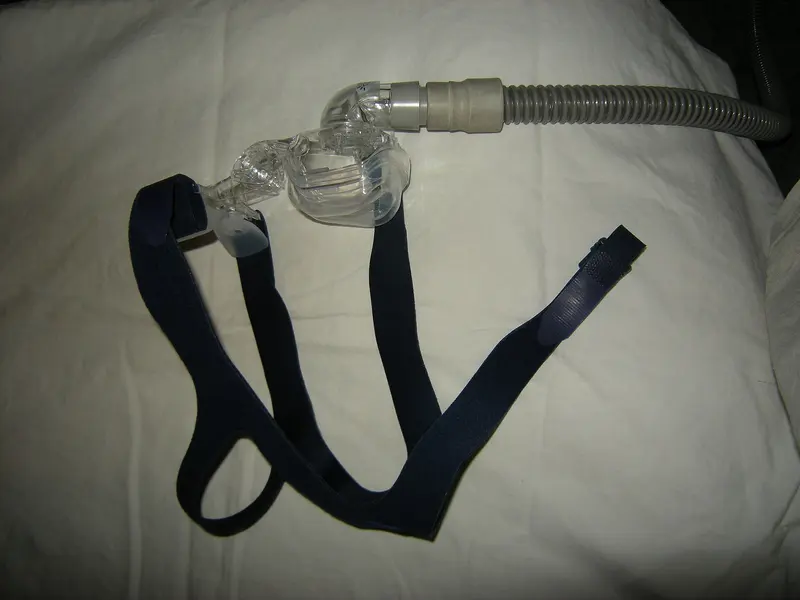
The NHS describes the main treatment as a CPAP machine, which gently pumps air into a mask worn over the nose (or nose and mouth) while you sleep, keeping the airway open. It says CPAP is free on the NHS if you need it and works best when used every night; tell your doctor if it's uncomfortable. Other options it lists include a gum-shield-like mouth device, surgery in some cases, and exercises for the mouth and face.
The NHS's self-help list for sleep apnoea echoes the snoring advice: lose weight if needed, exercise regularly, keep a dark, quiet bedroom with regular sleep and wake times, sleep on your side, and avoid smoking, heavy drinking (especially before bed) and sleeping pills unless a doctor recommends them.
For general advice on sleeping well, see sleeping better in the new year.