After the late nights, rich food and broken routines of Christmas, many people start January wanting to sleep better. A new mattress might be part of that, but it is rarely the whole answer. The NHS and The Sleep Charity both publish straightforward advice, and most of it costs nothing.
This is general information. If poor sleep is affecting your daily life, the NHS advice is to talk to your GP — see the end of this article.
How much sleep is enough?
The NHS says most adults need 7 to 9 hours a night, children 9 to 13 hours, and toddlers and babies 12 to 17 hours. Needs vary, and how you feel during the day is a better guide than a number.
Keep regular hours — even at weekends
Both NHS Every Mind Matters and The Sleep Charity put a regular routine first. Going to bed and getting up at similar times helps your body know when it's time to sleep. Every Mind Matters suggests keeping to it on days off as well.
The NHS insomnia page adds two points that feel counter-intuitive:
- Go to bed only when you're sleepy, but get up at the same time each day.
- Don't lie in after a bad night, and avoid daytime naps. Both make the next night harder.
The first week back at work in January is a good time to reset, since holiday hours tend to drift later.
Wind down
Every Mind Matters suggests a calming routine before bed — reading, breathing exercises, calm music or a podcast. The NHS suggests relaxing for about an hour before bed.
If worries keep you awake, Every Mind Matters suggests talking to someone you trust or writing your concerns down, and making a to-do list for the next day before bed so it's out of your head.
Screens
Every Mind Matters suggests not using phones, tablets or computers for an hour before bed, because their light can make it harder to fall asleep. The Sleep Charity goes further and suggests avoiding electronic devices in the bedroom altogether.
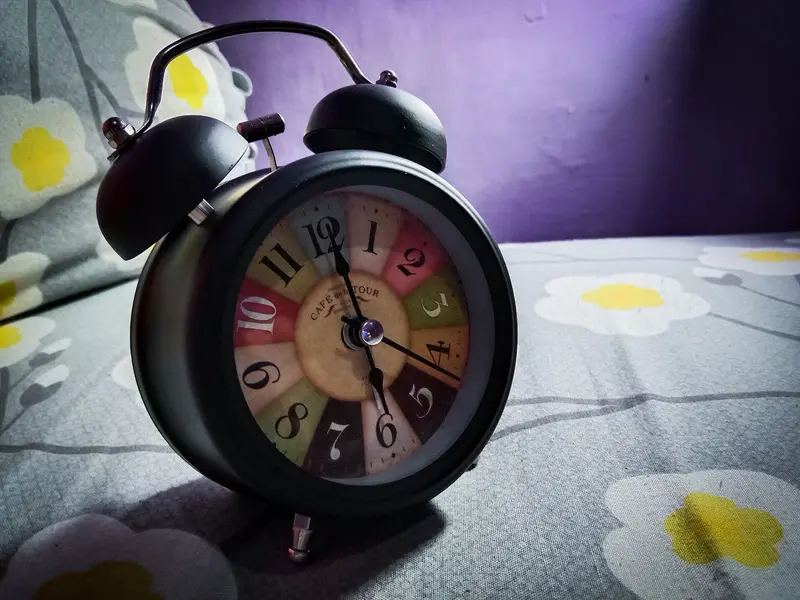
A practical compromise: charge your phone on a hard surface away from the bed (which is also what fire services advise — see bedroom fire safety on winter nights) and use a separate alarm clock. The Sleep Charity also suggests keeping clocks out of sight so you're not watching the time during the night.
Caffeine, alcohol, food and exercise
- Caffeine: tea, coffee and some soft drinks contain caffeine. The NHS suggests avoiding caffeine, alcohol and smoking in the 6 hours before bed. Every Mind Matters suggests a warm milky drink or herbal tea instead.
- Alcohol: it may make you feel sleepy, but Every Mind Matters notes that alcohol and nicotine can disrupt sleep.
- Food: the NHS suggests avoiding large meals late at night.
- Exercise: regular activity helps sleep, but the NHS suggests not exercising in the 4 hours before bed. If evening exercise keeps you awake, move it earlier.
The bedroom itself
The advice is consistent: a bedroom that is quiet, dark and cool. Every Mind Matters suggests earplugs, fully closed curtains or an eye mask, opening a window or adjusting the temperature, and background sound such as white noise if silence bothers you.
The NHS also lists making sure your mattress, pillows and covers are comfortable. That's where this site can help:
- If you wake up stiff or sore, or the mattress has sagged, check the National Bed Federation's signs in our guide to how long a mattress lasts.
- If you're not sure what firmness suits you, our guide to firmness by sleeping position explains why the labels differ between brands.
- Pillows matter as much as the mattress for neck comfort, and they wear out sooner.

We don't sell these products — details come from the makers' websites. Check the retailer for current prices.
If you're too hot or too cold at night, our article on staying warm in bed this winter explains duvet togs.
Buying in the January sales?
A new mattress can help if the old one is the problem, but there's no need to rush because of a sale banner. Our guide to checking a mattress deal explains what UK pricing guidance says about "was" prices and countdown timers, and returning a mattress covers your rights if it turns out to be wrong.
When to see a GP
The NHS suggests seeing a GP if changing your sleep habits hasn't helped, you've had trouble sleeping for months, or insomnia is making it hard to cope with daily life. It also warns against driving when you feel sleepy.