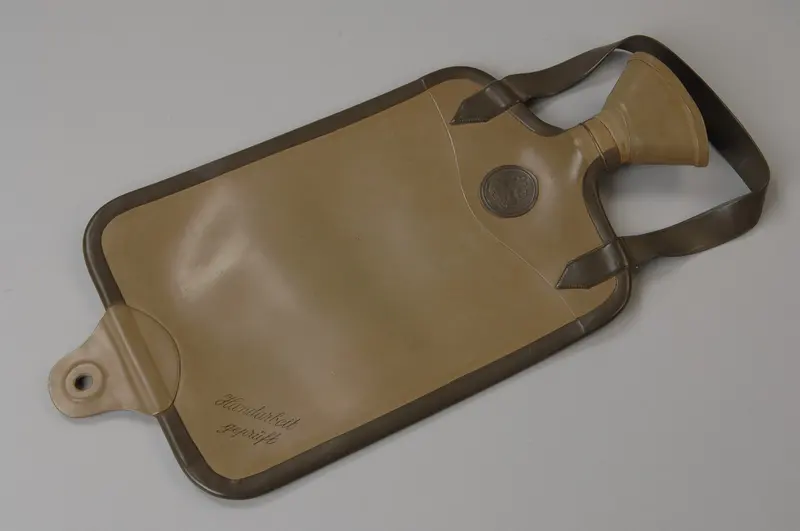
An electric blanket or a hot water bottle is a cheap way to take the chill off a cold bed. Both are safe when they're in good condition and used properly — and both cause injuries every winter when they're not. Fire and rescue services publish the same simple checks each year, so here they are in one place.
This is general safety information from the sources listed below. Always follow the instructions that came with your own product.
Electric blankets: check before the first cold night
London Fire Brigade suggests taking a few minutes to check an electric blanket before you start using it again for the winter, and checking it regularly for wear and tear. Its signs that a blanket needs replacing:
- worn or frayed fabric, or visible scorch marks
- wires poking through the fabric, or damage to any part of the cord
- controls that buzz or smell when switched on
- a connector that is damaged or overheating
London Fire Brigade also says to replace an electric blanket at least every 10 years, and not to buy one second-hand. Dorset & Wiltshire Fire and Rescue adds that you should buy only models that meet current UK and European safety standards, such as those carrying BEAB approval.
Using an electric blanket safely
The advice from GOV.UK and the fire services is consistent:
- Unplug it before you get into bed, unless it has a thermostat control designed for safe all-night use. GOV.UK's fire safety leaflet includes this in its bedtime checklist.
- Never use a hot water bottle in the same bed — Dorset & Wiltshire Fire and Rescue says this applies even when the blanket is switched off.
- Store it flat, rolled up or loosely folded, not tightly folded, to avoid damaging the wiring inside.
- Check special cases with the maker. London Fire Brigade advises against using an electric blanket with an air-flow pressure-relief mattress, or if you use emollient skin creams.
Hot water bottles: rubber doesn't last forever
The rubber in a hot water bottle perishes over time, and an old bottle can split — usually at the worst moment, in bed, under someone's weight. Humberside Fire and Rescue's advice:
- Never fill it with boiling water — use hot tap water instead.
- Check it regularly for wear and tear, because rubber deteriorates over time.
- Look for the flower symbol moulded into the bottle, which shows when it was made.
- Don't use a bottle more than two years old.
Dorset & Wiltshire Fire and Rescue adds: don't overfill it, let the air out before tightening the cap, make sure the cap still closes tightly, and use a cover to reduce the risk of scalds.
Who needs extra care
Take extra care with anyone who may not be able to move away from something too hot, or say that it is — young children, and older or unwell relatives. Babies need no extra heat in their cot at all: The Lullaby Trust recommends light bedding or a baby sleeping bag and a room of 16 to 20°C. Our article on babies sleeping away from home covers safe ways to keep a baby comfortable.
A five-minute checklist
Before the first cold night:
- Lay the electric blanket out flat and look along every edge and the whole cord.
- Switch it on briefly and listen and sniff for buzzing or burning smells.
- Find the flower symbol on each hot water bottle and replace any that are past two years old or look worn.
- Decide which you'll use — blanket or bottle, never both.
- Test your smoke alarms while you're at it. GOV.UK says to fit at least one on every level of your home and test them at least monthly.
Disposing of an old electric blanket
An electric blanket is an electrical item, so check your council's website for how it takes small electricals rather than putting it straight in the bin. For getting rid of a whole mattress, see our guide to mattress disposal and recycling.
More on staying warm
If the bed feels cold even with a hot water bottle, the bedding may be the problem rather than the heat source. Our article on staying warm in bed this winter explains duvet togs and layering, and bedroom fire safety on winter nights covers heaters and phone chargers.
- How to get rid of an old mattress: recycling, council collections and take-backYour options for disposing of a mattress in the UK — retailer take-back, council collections, recycling centres and licensed collectors — and the van-collector scam to avoid.
- How long does a mattress last — and how to make it last longerThe National Bed Federation's checklist for knowing when a mattress needs replacing, why dips are not always a fault, and simple care that extends its life.